
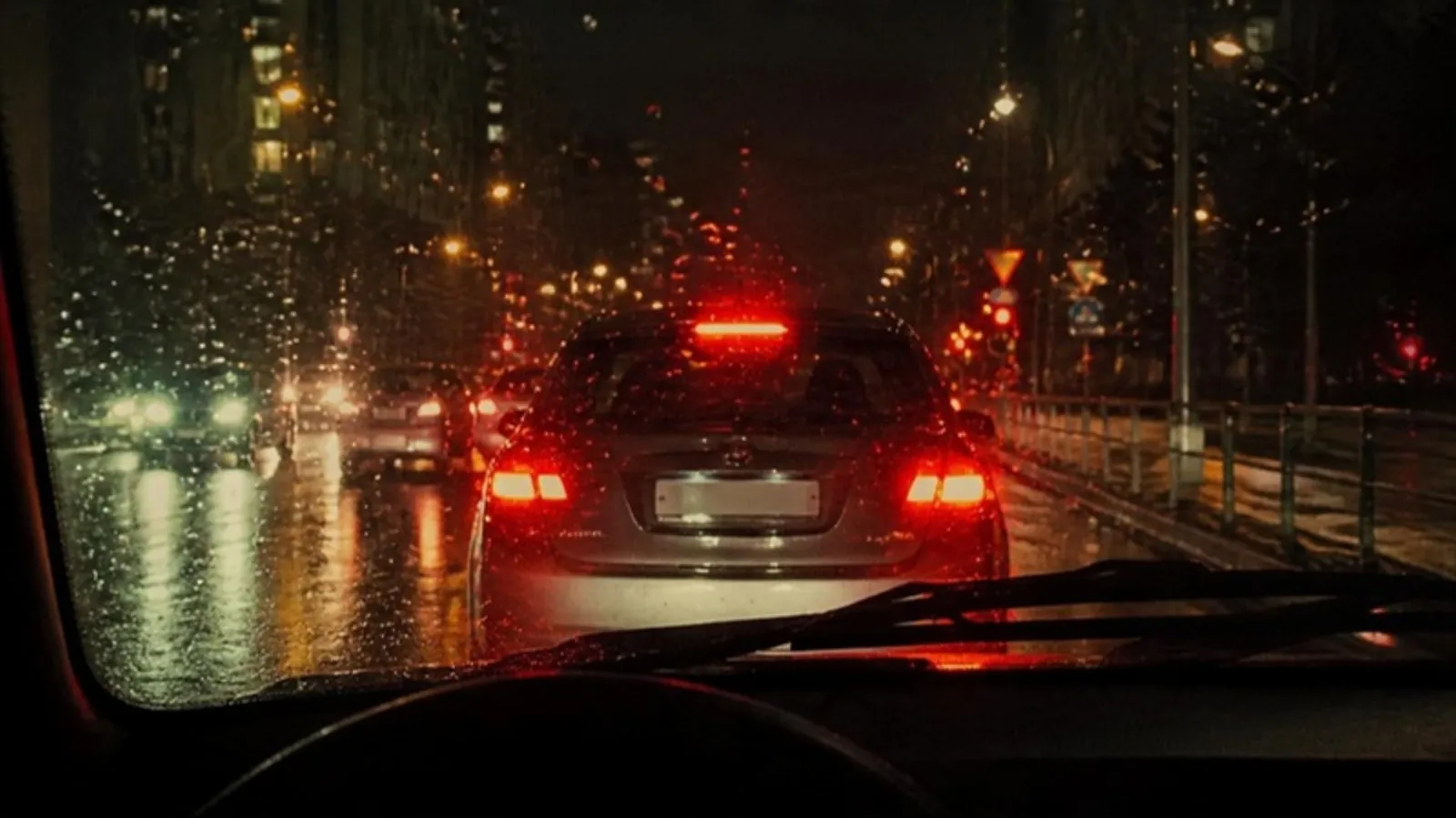
More pixels help you read a plate farther away in daylight. At night and at speed, the sensor, exposure and frame rate matter as much as resolution.
Short answer: 4K gives the best chance of reading a distant plate in good light, 2K is a solid middle ground, and 1080p works for close-range events. No resolution guarantees a readable plate at night or when a car passes fast; the image sensor and exposure matter as much.
The numbers
• 1080p: about 2 megapixels.
• 2K (2560 x 1440): about 3.7 megapixels.
• 4K: about 8 megapixels.
More real pixels on a plate means more characters you can make out. The word "real" matters: some cameras sold as 4K upscale a lower-resolution sensor, which adds pixels without adding detail.
Why night is different
At night the camera needs a longer exposure to gather light, and anything moving blurs. A plate also reflects your headlights and can wash out white. Sensors built for low light, such as Sony's STARVIS 2 line, and HDR help in dim or high-contrast scenes. 60 frames per second gives twice as many chances to catch a sharp frame as 30, but only if the shutter is fast enough.
Speed and distance
A car coming toward you at highway speed is in the frame for a fraction of a second. Plates are easiest to read on cars ahead of you in the same direction, at a stop, or in slow traffic. That is why a rear camera matters: the driver who hits you from behind is close and slow.
How to choose
• Mostly highway driving, want detail far ahead: a 4K front camera, such as our 4K Front and Rear Dash Cam.
• City driving and rear-end protection: a 2K front and 1080p rear, such as our 2K Front and Rear Dash Cam.
• Passengers on board: a 3-channel model. See all specs on our comparison page.
Remember that 4K files are large, so pair a 4K camera with a bigger high-endurance card.
Frequently asked questions
Is 4K worth it on a dash cam?
For daytime detail at a distance, yes. For night footage, compare real sample videos, not resolution alone.
Is 30 fps enough?
For most drivers, yes. 60 fps helps at speed if the camera's exposure keeps motion sharp.
Does the rear camera need to be 4K?
Rarely. The car behind you is usually close, and 1080p is enough to identify it.
Sources
• Sony Semiconductor: image sensors for drive recorders
• BlackboxMyCar: license plates in dash cam footage
• Consumer Reports: dash cam buying guide