
Clocks go back Nov 1, 2026. How to prep your headlights, drive safely in the dark, watch for deer and pick a dash cam for night driving.
Short answer: Daylight saving time ends on Sunday, November 1, 2026: clocks in most of the US and in parts of Canada go back one hour at 2 a.m. The evening commute suddenly happens in the dark, and that is when drivers see less and pedestrians are hardest to spot. Clean and check your lights, slow down where people walk, watch for deer on rural roads, and give your eyes and your sleep a few days to adjust.
When the clocks change in 2026
Clocks go back from 2 a.m. to 1 a.m. local time on Sunday, November 1, 2026, according to timeanddate. Hawaii and most of Arizona stay on standard time all year, so nothing changes there (the Navajo Nation in Arizona does change). In Canada, not every province and territory changes its clocks, and some rules have changed recently, so check timeanddate's Canada page or your provincial government if you are not sure.
The extra hour of sleep is nice on Sunday. The catch comes on Monday: sunset arrives an hour earlier on the clock, so a commute that ended in daylight last week now ends in the dark.
Why the first dark weeks feel harder
Darkness is the biggest change. NHTSA reports that 76% of pedestrians killed in crashes were hit when it was dark, and another 4% at dusk or dawn. The people walking home are the same as last week. You just see them later.
Your routine also shifts. Headlights, glare from oncoming traffic and a dirty windshield matter far more at 5:30 p.m. than they did in September, and a tired driver now does the same trip with less light.
Get your car ready before November 1
Clean every piece of glass and every light
AAA puts it simply: whatever is happening to your windshield is also happening to your headlights. Wash both, clean the inside of the windshield too, and replace worn wiper blades so they do not smear at night.
Check for yellow or cloudy headlight lenses
AAA notes that oxidation on a yellow or cloudy lens keeps light from reaching the road. A restoration kit or a shop can clear the lenses.
Check that every bulb works
Walk around the car with the lights on: low beams, high beams, brake lights, turn signals and the license plate light.
Set your mirrors before the dark evenings start
Well-adjusted mirrors mean fewer head turns in traffic at night. Our guide on how to adjust car mirrors to reduce blind spots shows the method in a few minutes.
How to drive in the dark after the time change
• Slow down where people walk: near schools, bus stops, shopping areas and residential streets, especially in the early evening.
• Look for movement at the edges of your headlights, not only in the center of your lane.
• Dim your high beams for oncoming traffic. If a car's lights dazzle you, look toward the right edge of your lane until it passes.
• Leave more space to the car ahead. You see hazards later in the dark, so you need more distance to react.
• Watch for deer on rural roads. Purdue Extension says October to December is the peak season for deer-vehicle collisions and that most of them happen from dusk to dawn. If a deer appears, brake firmly and stay in your lane instead of swerving.
• Turn the dashboard brightness down so your eyes stay adjusted to the road.
Watch your own sleep that first week
A one-hour shift can throw off your sleep for a few days. If you start yawning, drifting in your lane or missing exits, pull over somewhere safe and rest. Coffee and an open window do not replace sleep.
How a dash cam helps when the days get shorter
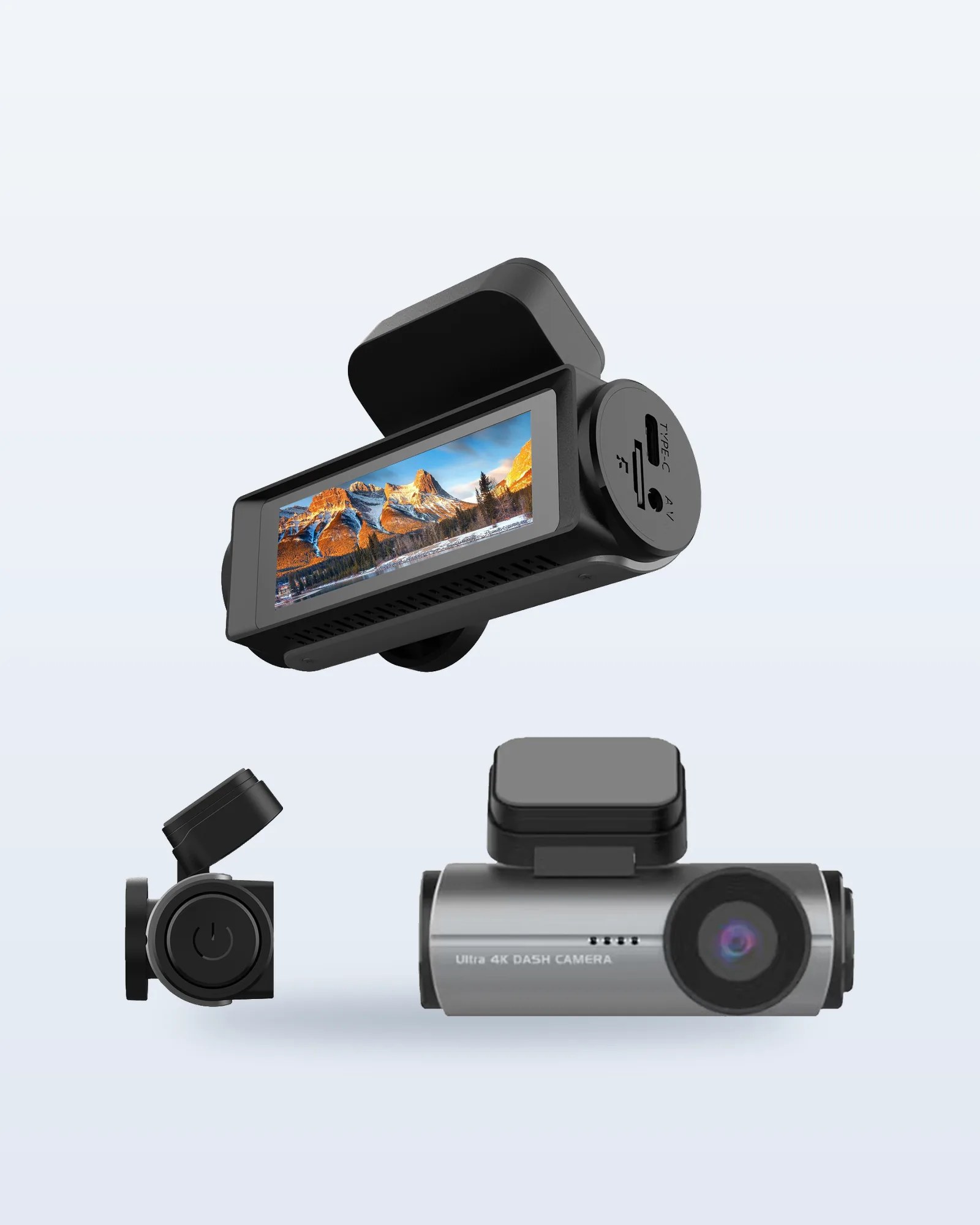
A dash cam does not help you see better, but it keeps a record when something goes wrong in poor light: a pedestrian stepping out, a car running a light, a collision with an animal. Three setups cover most night driving:
• A clear front view after sunset. The 4K Front and Rear Dash Cam with WiFi ($79.99 USD, free shipping in the US) records 4K ahead and 1080p behind, with night vision and loop recording.
• A view inside the car for Uber and Lyft drivers. The 3-Channel Dash Cam ($69.99 USD, free shipping in the US) records the road ahead, the road behind and the cabin, with infrared LEDs for the cabin camera, and locks clips on impact.
• A clear look behind in a dark driveway. The Wireless Backup Camera with 7 in Monitor ($89.99 USD, ships to the US and Canada) shows what is behind you without running a video cable.
Not sure which one fits your car? Read how to choose a dash cam.
Frequently asked questions
When do the clocks go back in 2026?
On Sunday, November 1, 2026, clocks go back from 2 a.m. to 1 a.m. local time in most of the US and in parts of Canada.
Do all states and provinces change their clocks?
No. Hawaii and most of Arizona do not change. In Canada the rules vary by province and territory, so check timeanddate or your provincial government.
Is driving at night more dangerous for pedestrians?
Darkness is a major factor: NHTSA reports that 76% of pedestrians killed in crashes were hit when it was dark. Slowing down where people walk and keeping your lights clean both help.
Sources
• timeanddate: DST Ends in the US and Canada 2026
• timeanddate: Daylight Saving Time in Canada
• NHTSA: Pedestrian Safety
• AAA Northeast: Headlights and car maintenance
• Purdue Extension: Prime time for deer-vehicle collisions