
Halloween driving safety tips for 2026: when kids are most at risk, how to drive trick-or-treat streets and what to do about impaired drivers.
Short answer: The best Halloween driving safety tips are simple: drive slowly through neighborhoods from late afternoon to midnight, expect children to step out between parked cars, put your phone away, back out of driveways with extra care and never drive after drinking. If you can stay home that evening, do.
These Halloween driving safety tips matter because the evening is one of the most dangerous of the year for people on foot. A study published in JAMA Pediatrics found that the risk of a pedestrian death was 43% higher on Halloween than on comparison evenings. Here is what the data says and how to drive this Saturday, October 31, in the U.S. and Canada.
Why is Halloween so dangerous for drivers and pedestrians?
More children are walking after dark, often in dark costumes, while some adults are driving home from parties. Excitement, low light and alcohol together create risk on both sides of the windshield.
• A JAMA Pediatrics study by researchers from the University of British Columbia and the University of Toronto looked at 42 years of NHTSA fatal crash data, from 1975 to 2016. It compared 5 p.m. to 11:59 p.m. on October 31 with the same hours one week earlier and one week later.
• The same study found that children aged 4 to 8 had a 10-fold increase in pedestrian fatality risk on Halloween.
• The Delaware Office of Highway Safety, citing NHTSA, reports that 17% of children age 14 and younger killed in traffic crashes in 2024 were pedestrians, and that 76% of pedestrian fatalities occurred in the dark.
How should you drive through trick-or-treat neighborhoods?
Slow down well below the posted limit and scan both sides of the street, including driveways and the gaps between parked cars. NHTSA reminds drivers that slower speeds save lives.
• NHTSA warns that children may be unaware of traffic and dart into the street unexpectedly, so watch for young trick-or-treaters in unexpected places.
• Turn your headlights on early, even before full dark, so you see costumes sooner and children see you.
• Enter and leave driveways slowly. Small children are hard to see behind a car, and groups often cut across lawns and sidewalks.
• Stop fully at every crosswalk and corner. Kids in masks may not see you coming from the side.
• Put your phone on do not disturb. If you need navigation, set it before you leave and keep the phone in a mount.
Keeping your speed truly low on a busy street is harder than it sounds when your eyes are on the sidewalk. The GPS Head-Up Speed Display ($39.99 USD, $54.99 CAD) shows your speed just below your line of sight, so you can check it without looking down at the dashboard. It ships with tracking to the United States and Canada.
What time are kids most at risk on Halloween night?
The early evening, when trick-or-treating is at its peak and the light is fading. That is the window the JAMA Pediatrics researchers studied, from 5 p.m. to 11:59 p.m.
Halloween 2026 falls on a Saturday, which means more children outside and more adult parties than on a school night. Plan errands for earlier in the day. Darker evenings are arriving now too, so our guide to driving after the clocks change is a good companion read for the weeks ahead.
How common is drunk driving on Halloween?
It is a real and deadly problem. NHTSA reports that from 2019 to 2024, 176 people were killed on Halloween night in crashes that involved a drunk driver with a BAC of .08 or higher.
NHTSA defines Halloween night as 6 p.m. on October 31 to 5:59 a.m. on November 1. Victims in those drunk driving crashes included 31 pedestrians and 144 drivers and passengers. If you plan to drink, arrange a ride home before the party starts. If you are hosting, NHTSA suggests collecting car keys from guests who are drinking, offering non-alcoholic drinks and helping guests find a taxi or rideshare.
What should you do if you see an impaired driver?
Keep your distance and call the police when it is safe to do so. NHTSA says that if you see a drunk driver, you should contact law enforcement.
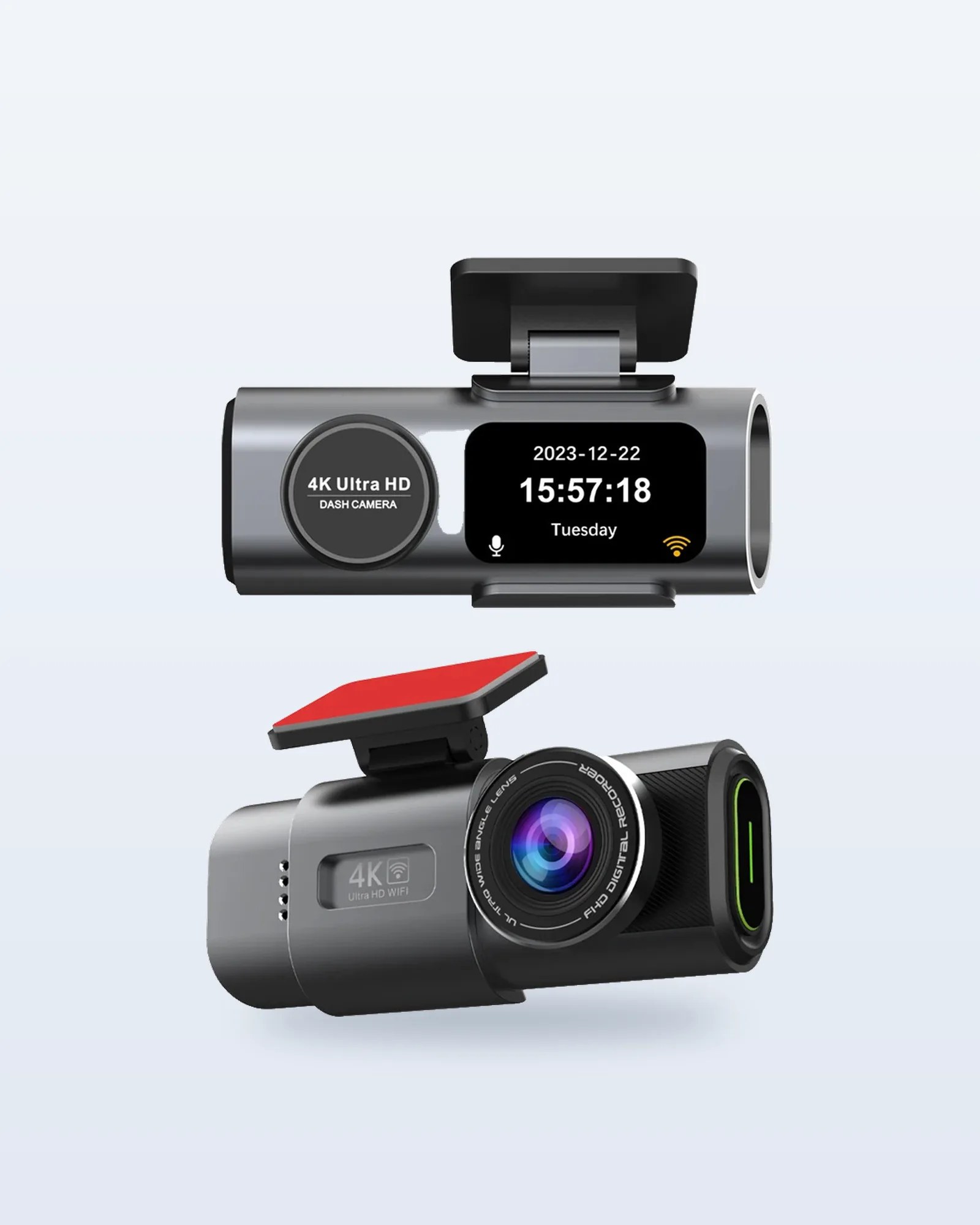
Do not try to follow or stop the vehicle. Note the plate, the color and the direction of travel, or let a passenger make the call. A front and rear dash cam keeps a time-stamped record of what happened around you, which can help if you witness a crash or are involved in one. The Compact 4K Front and Rear Dash Cam with WiFi and GPS starts at $74.99 USD ($99.99 CAD) and ships with tracking to the U.S. and Canada. If something does happen, follow our checklist on what to do after a car accident.
Is it safer to avoid driving on Halloween?
Yes, if you can. In Quebec, the SAAQ advises avoiding car trips on Halloween evening when possible, and slowing down to anticipate excited, unpredictable children when you do drive.
If you have to be on the road, choose main streets over residential shortcuts, leave extra time and stay patient. The SAAQ also asks drivers to be patient and courteous with pedestrians and other motorists. If you are dropping children off, park on their side of the street so nobody has to cross in front of traffic.
How can you see small children behind your car?
Walk around your vehicle before you reverse, then back out slowly with the windows down. A backup camera helps you spot a child you cannot see in the mirrors.
Older cars often lack a rear camera. The Wireless Backup Camera with 7 in Monitor ($89.99 USD, $124.99 CAD) shows the area behind you on a color screen without running a video cable through the car, and ships with tracking to the United States and Canada. Our step-by-step guide explains how to install a wireless backup camera.
Frequently asked questions
What is the most dangerous time to drive on Halloween?
The evening. A JAMA Pediatrics study found pedestrian death risk was 43% higher between 5 p.m. and 11:59 p.m. on Halloween than on comparison evenings, and NHTSA counts Halloween night drunk driving deaths from 6 p.m. to 5:59 a.m.
How fast should you drive on Halloween night?
Well below the posted limit in residential areas, slow enough to stop if a child steps out between parked cars. NHTSA advises drivers to slow down and scan the road.
Are children more likely to be hit by a car on Halloween?
Yes. The JAMA Pediatrics study found that children aged 4 to 8 had a 10-fold increase in pedestrian fatality risk on Halloween compared with other evenings.
Sources
• Staples, Yip and Redelmeier, Pedestrian Fatalities Associated With Halloween in the United States, JAMA Pediatrics
• NHTSA Traffic Safety Marketing, Halloween: Buzzed Driving Is Drunk Driving
• NHTSA, Halloween Safety Tips
• Delaware Office of Highway Safety, OHS Emphasizes Pedestrian Safety Ahead of Halloween Weekend
• SAAQ, Halloween (5-12 ans)